




There are no products in the cart!

Over the past decade, Vietnam has witnessed a boom in infrastructure investment. From the North-South expressways and Long Thanh Airport to numerous urban road networks, the demand for asphalt mixing plants has steadily increased.
This market has several prominent characteristics:
Rapid growth: Expressway projects for the 2021–2030 period require hundreds of mixing plants with capacities ranging from 120–200 tons/hour.
Quality & environment: Investors are increasingly concerned with emission standards, fuel efficiency, and operational automation.
Brand competition: Brands from South Korea (SPECO), China (TTM, NFLG, XCMG, SANY), Europe (Ammann – Switzerland, Benninghoven – Germany, Marini – France), Japan (Nikko, Tanaka), and Apolo – India (now part of Ammann or referred to as the budget-friendly Ammann version manufactured in India but still with Apolo design).
In this context, choosing the right mixing plant is not only based on capacity but also considers investment efficiency, after-sales service, and the ability to optimize operating costs.
TTM (Tietuo Machinery) is a hot asphalt mixing plant manufacturer from China with over 20 years of experience. With advanced technology, TTM has quickly established its position in the mid-to-high-end segment, particularly due to its combination of competitive pricing, stable performance, and prompt after-sales service.
To date, many TTM mixing plants have become operational in Vietnam:
Quang Binh: 1 x 160 t/h plant serving the coastal road project.
Binh Thuan: 2 x 160 t/h plants for the North-South expressway project.
Khanh Hoa: 1 x 160 t/h plant for the airport connection road project.
Hung Yen: 1 x 160 t/h plant to be commissioned at the end of 2025.
Dong Nai: 1 x 320 t/h plant with recycling capabilities, the first, largest, and only synchronized plant to be operational in 2026, serving industrial park infrastructure projects, expressways, and commercial asphalt concrete in the Southeast region.
The increasing presence demonstrates that TTM has earned the trust of Vietnamese contractors due to its stability, ability to meet deadlines, and reasonable costs.
In the context of a construction market increasingly demanding cost, quality, and schedule optimization, choosing the right asphalt mixing plant plays a crucial role. TTM mixing plants – a brand from China – are currently attracting significant interest from many businesses in Vietnam due to their ability to balance cost, technology, and operational efficiency. So, compared to other asphalt mixing plants on the market such as SPECO (South Korea), Benninghoven (Germany), or Ammann (Switzerland), what are the characteristics of TTM plants? The following article will analyze the criteria in detail:
| Criteria | TTM | SPECO (South Korea) | Europe (Benninghoven, Ammann, Marini) | Overview |
| Initial Investment Cost and Spare Parts Cost | Focused on price/performance, equipment prices are more competitive than European machinery due to manufacturing in China, but still use many standard imported components (SEW, SIEMENS, SCHNEIDER, SICOMA/WAM…). Therefore, wear parts and replacement components are easy to find in Vietnam, with lower costs—a suitable point for businesses seeking reasonable CAPEX while meeting quality requirements. | As a Korean brand, its target market might be mid-to-high; prices can be higher than cheap Chinese OEMs but are often lower than or equivalent to some imported European models. SPECO also has advantages in design and its own QA/QC standards. | Higher prices, but in return, offer optimized burner technology, exhaust gas treatment, comprehensive automation solutions, and global warranty/after-sales service. Original spare parts costs are higher, but European quality standards are available. | If initial investment and spare parts costs in Vietnam are critical — TTM has an advantage (lower costs, common parts), while European brands have an advantage in fuel optimization/premium service interfaces. |
| Design, Operational Features, and Maintenance | Modular design, beltless vibrating screen, direct-drive mixing chamber, 2-stage dust filtration system — helps reduce belt maintenance and increase uptime. Reinforced H/C steel frame, heat-treated wear parts. TTM catalogs highlight many improvements similar to European plants. | Korean industrial design, focusing on durability and customization for various needs; offers batch models with automation. | Strong in detailed fine-tuning (burner, temperature control systems, interface) — suitable for large contractors requiring energy optimization and strict quality control. | Regarding maintainability, TTM offers solutions to reduce mechanical wear (fewer belts), easy access for repairs — suitable for the operational context in Vietnam where quick, low-cost repairs are prioritized. |
| Fuel & Energy Consumption | Many TTM models report FO/DO fuel consumption of about 5–6.5 kg/t (some mobile models 5–7.5 kg/t). This is a common level for many Asian manufacturers. Actual operation at Vietnamese construction sites: Actual operating parameters (with optimal operation, good maintenance, correctly adjusted burner) can achieve lower consumption levels (you noted 4.3–5.5 kg/t) — this reflects operational efficiency rather than the manufacturer’s “technical specification” parameters. | Consumption equivalent to the common level of 5–7 kg/t. Less fuel-optimized than European brands. | Optimized burner, with WMA for heat reduction, saving fuel. Levels of 5–7 kg/t but more efficient operation. Energy mainly for drying/heating. | Regarding fuel consumption, TTM is not significantly inferior to other Asian manufacturers; with optimized operation in Vietnam, TTM can achieve the low actual figures you mentioned. If the goal is maximum fuel savings, European plants have a slight advantage but at the cost of higher CAPEX. |
| Recycling Features (RAP) & Sustainability | Offers RAP solutions (hot recycling), with RAP processing units, pre-drying, re-mixing — suitable for investors looking to upgrade or integrate a recycling plant to save materials/costs and achieve sustainability goals. Among the TTM plants exported to Vietnam, there are RAP configurations and large capacity plants. | Has RAP but fewer options than European brands. | Advanced RAP solutions, integrated software. High cost but advanced technology. | TTM has strong RAP solutions in the price/performance segment; European brands have more advanced options but are more expensive. |
| Service & After-sales Network in Vietnam | TTM through distributors like VIPEC: The advantage is a service network, locally stocked spare parts, and locally trained technicians — reducing downtime. TTM has factories & an export chain, making spare parts logistics easy to optimize. | Good service but spare parts might be slow to arrive in Vietnam, high maintenance costs. | Global service, but original spare parts are expensive and take a long time to arrive in Vietnam. | VIPEC is the official representative in Vietnam, with a 24/7 technical support team. |
a. Fuel-Efficient Burner & Diverse Options
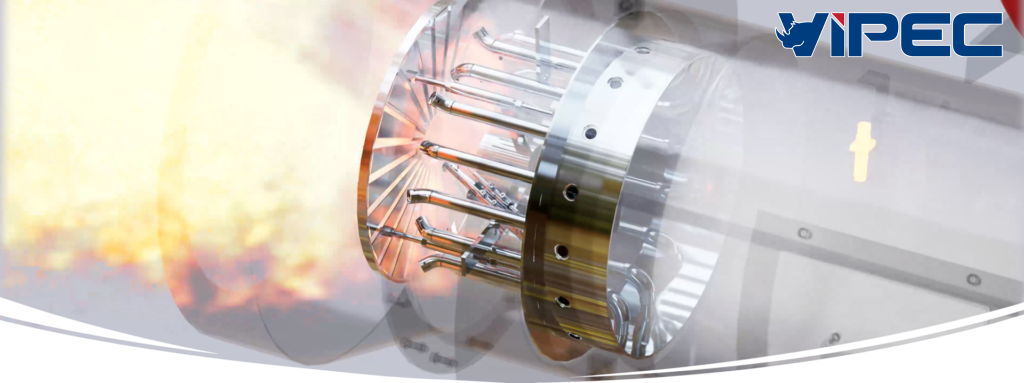
The burner is self-designed and manufactured by TTM, applying automatic digital control technology, which helps the flame size perfectly match the drying drum. As a result, fuel consumption is minimized.
Multi-fuel: FO, FOR, DO, natural gas, LPG – flexible according to project conditions.
Inverter control (Schneider – France) for the blower fan and oil pump → precise adjustment of air/fuel ratio, digital display, fuel saving.
Dual fuel pump design: 2 parallel pumps, if one pump fails, the backup pump still operates → prevents plant shutdown.
Pressure differential principle: helps the oil pump operate more smoothly → increases lifespan.
Burner sliding rail: convenient for maintenance, shortens inspection time.
Actual operation in Vietnam: consumption is only 4.5–5.5 kg FO/ton of HMA, lower than the global average of 5.5–6.0 kg → saving hundreds of millions of VND per year.
b. High-Efficiency Dust Filtration System
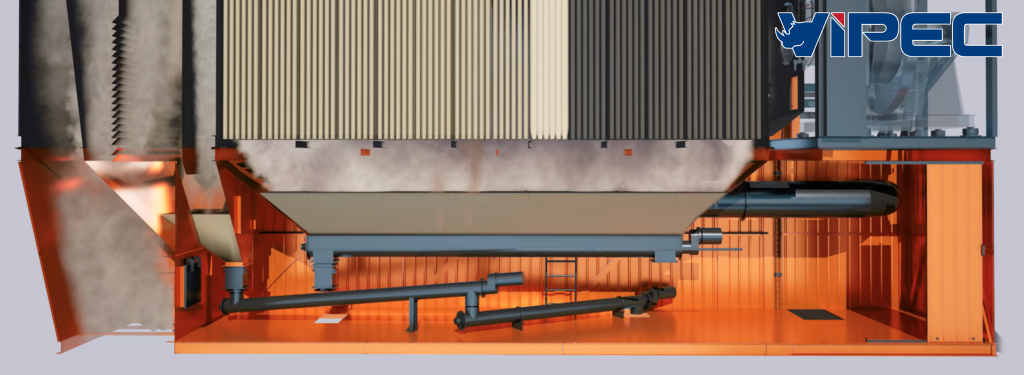
Baghouse dust collector placed directly on the drying drum: saves space, reduces heat loss, shortens installation time.
Thermal efficiency increased by 2–3%, significant fuel savings.
NOMEX (USA) filter bags, heat resistant to 235°C, corrosion resistant.
50 mm insulated flue pipe → reduces heat loss, increases durability.
Optimized design using Computational Fluid Dynamics (CFD) analysis → high dust filtration efficiency, extended bag lifespan.
c. Beltless Vibrating Screen Design
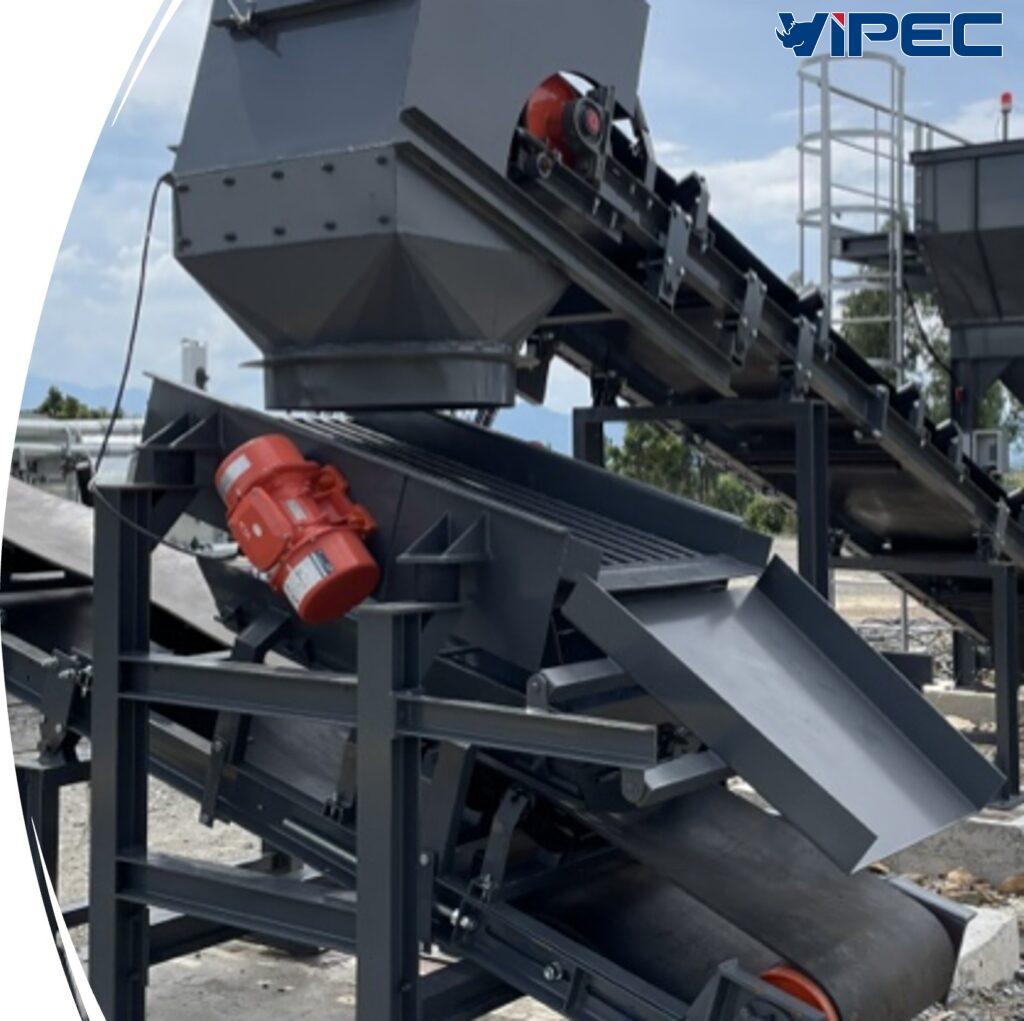
Eliminates belt drive, direct vibration, stable amplitude and frequency.
No belt wear, no need for periodic replacement and adjustment.
Reduces downtime & maintenance costs, increases screening efficiency.
This solution is also adopted in many high-end European plants, demonstrating TTM’s proximity to international standards.
d. Direct-Drive Mixing Chamber
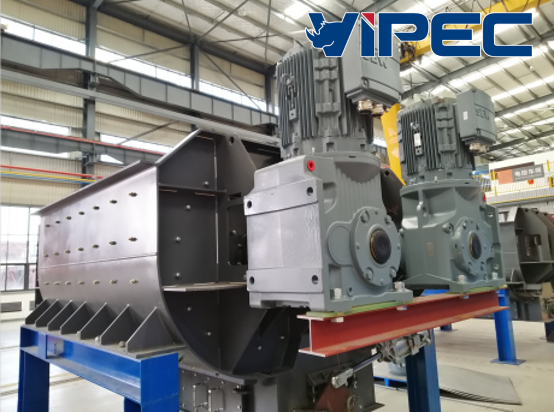
Unlike brands still using V-belts or chains, TTM applies direct drive:
Reduces power loss.
Maintains stable rotational torque → more uniform mix.
Reduces friction, saves energy.
Fewer breakdowns, extended continuous operation time.
e. Steel Frame Structure & Wear-Resistant Components
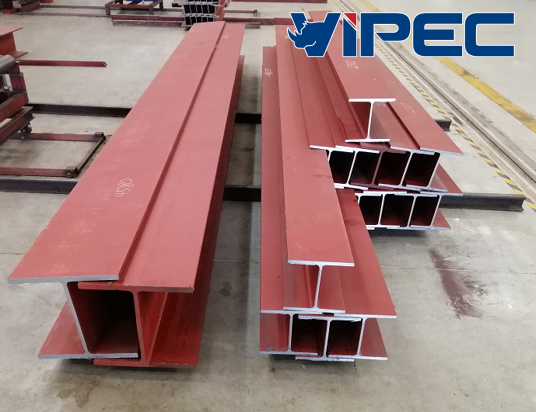
Steel frame uses H/C section steel → high rigidity, resistance to deformation during heavy operation.
Wear-resistant components (mixing paddles, mixing chamber liners) made from heat-treated wear-resistant steel → high lifespan, replacement cycle up to hundreds of thousands of tons of product.
Helps reduce periodic replacement costs and Total Cost of Ownership (TCO).
f. Bucket Elevator & Aggregate Conveying System
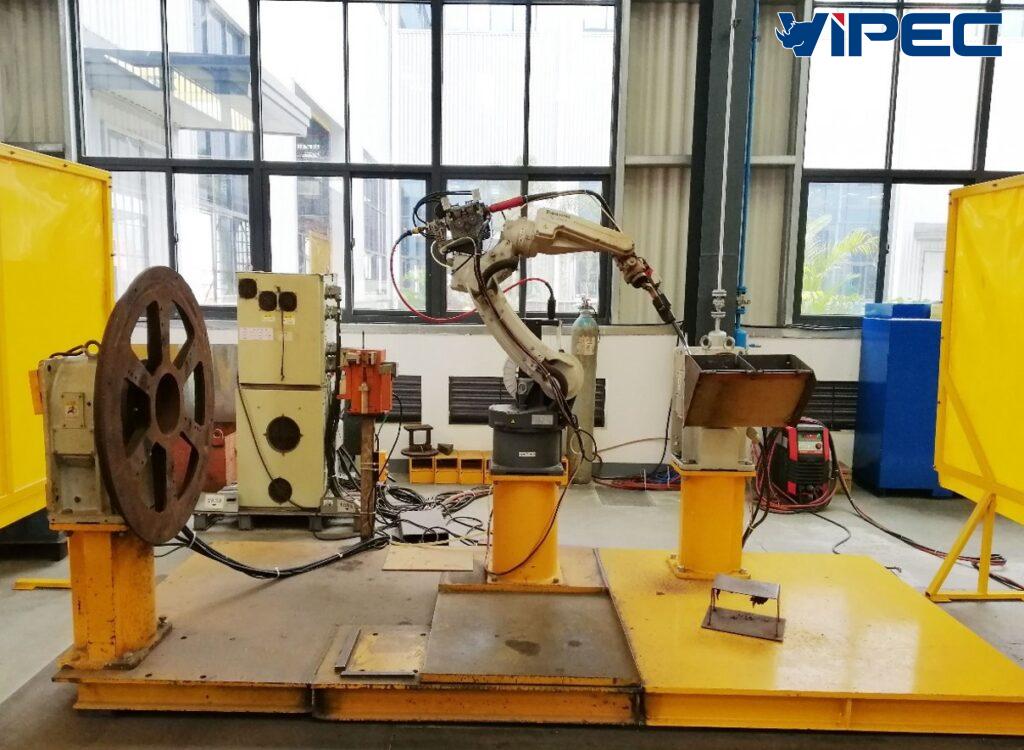
Fabricated by automatic welding robots, superior precision and durability.
Single-strand plate chain: high durability, easy to replace, long lifespan (600,000–800,000 tons).
Hydraulic rivet connection prevents bolt loosening due to vibration.
Bucket elevator height: 19–20 m, with storage silo: 27–28 m.
g. Smart & User-Friendly Control System
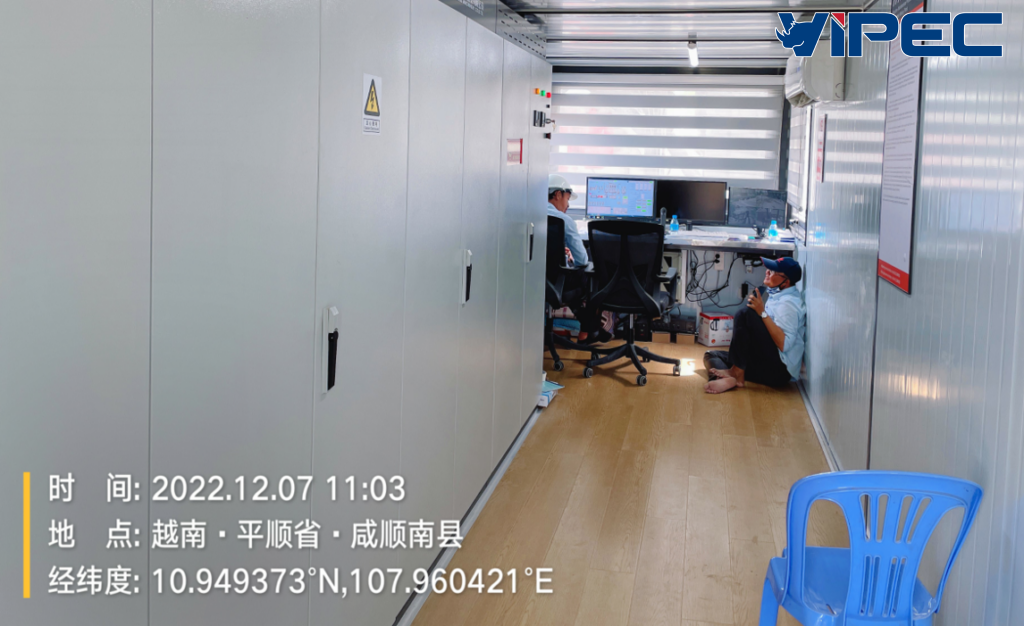
In-depth Vietnamese interface: All warnings, notifications, and operating instructions are displayed in Vietnamese, helping engineers and workers operate easily and reducing the risk of errors.
Dual control system – twin computers (applicable for 160 t/h and 240 t/h plants):
With this advantage, TTM not only meets technical requirements but also suits the specific labor characteristics in Vietnam – where operating personnel need a simple, intuitive, easy-to-train system that is still modern enough for comprehensive plant control.
TTM plants offer a balanced solution between reasonable Capital Expenditure (CAPEX) and long-term operational efficiency. With innovations such as beltless vibrating screens, direct-drive mixing chambers, robust H/C steel frames, and wear-resistant materials, TTM is in the same price segment of 20–28 billion VND as SPECO, higher than SANY (~15 billion VND), but superior in durability and ability to optimize operating costs.
Compared to European brands (Benninghoven, Ammann, Marini): TTM has significantly lower CAPEX, easily replaceable spare parts in Vietnam, suitable for contractors needing a practical, cost-effective solution.
Compared to SANY: higher price, but in return, TTM represents “high-end Chinese” or “premium domestic Chinese,” targeting customers who desire modern technology, long lifespan, and superior TCO efficiency.
It is precisely this balance between price, quality, and service that makes TTM an optimal choice for many infrastructure contractors in Vietnam, especially when a plant with European-level durability and performance is needed but at significantly lower investment and operating costs.

03-2026

03-2026
06/03/2026

12-2025

12-2025

11-2025